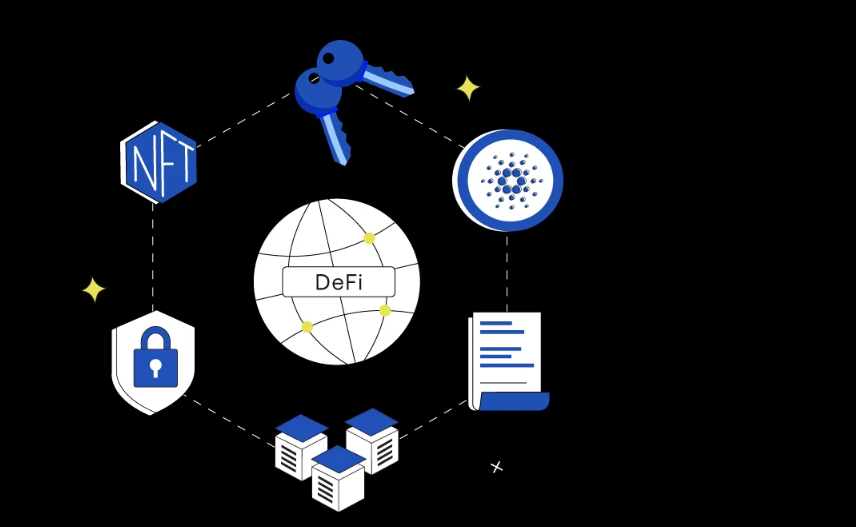

A cryptocurrency network gains decentralization not from a single feature but from balanced openness, distributed control, and verifiable resilience. Governance is inclusive, with decision rights spread among diverse nodes, validators, and stakeholders, avoiding centralized fiat influence. The infrastructure resists capture, proposals are transparent, and accountability is measurable. Safeguards defend censorship resistance and broad participation. Open-source transparency and incentive-aligned accountability ensure power rests with the community, yet the practical trade-offs invite ongoing scrutiny and stronger governance as the system evolves.
What Defines Decentralization in Practice
Decentralization in practice is defined by distributed control, open participation, and verifiable resistance to centralized coercion.
Governance structures balance autonomy with accountability, highlighting conceptual tradeoffs between resilience and efficiency.
The debate centers on permissioned vs. permissionless architectures, where openness fosters inclusion yet requires safeguards.
Clarity emerges from verifiable rules, auditable processes, and stable incentives that sustain freedom while preventing capture by concentrated influence.
See also: Understanding AI Decision-Making Processes
How Governance and Decision Rights Are Allocated
Governance and decision rights in a decentralized system are allocated through mechanisms that blend openness with accountability, ensuring that control emerges from distributed participation rather than central fiat.
Decision processes favor broad consent and incremental change, with transparent proposals and verifiable outcomes.
Governance transparency enables broad stakeholder influence, while protections against censorship sustain resilient, autonomous coordination across diverse communities seeking freedom.
Where Power Actually Resides: Nodes, Validators, and Infrastructure
Where does actual influence reside within the network, and how do nodes, validators, and infrastructure interlock to sustain trust and resilience?
Decision rights determine governance scope across entry points and upgrades.
Infrastructure control must resist capture, while node distribution prevents single points of failure.
Collective safeguards ensure censorship resistance, open participation, and robust decentralization through transparent, accountable, multi-stakeholder stewardship.
Metrics and Trade-offs: Openness, Distribution, and Open-Source Roles
The discussion moves from who holds influence to how openness, distribution, and open-source practices shape measurable outcomes in a decentralized network. Metrics assess governance participation, code transparency, and fault tolerance, balancing openness vs. anonymity.
Reward structures vs. penalties intersect with accountability, deter capture, and sustain resilience. Open-source roles empower communities, ensuring censorship resistance and robust, participatory governance for freedom-loving networks.
Frequently Asked Questions
How Does User Sovereignty Work in Decentralized Networks?
User sovereignty in decentralized networks operates through privacy by design and user autonomy, enabling individuals to control data and decisions. It embodies robust governance, open participation, and censorship resistance, appealing to those who pursue freedom and collective responsibility.
Can Decentralization Coexist With Centralized Exchange Control?
Yes, decentralization can coexist with centralized exchange control, but only if governance remains open and permissionless. Decentralized governance sustains consent, while consensus resilience safeguards censorship resistance against centralized pressure, preserving freedom even amid centralized custodians.
What Role Do Token Economics Play in Governance Power?
Token incentives align actors with governance power, shaping decisions through stake-weighted influence and participation metrics. In robust governance, open participation, and censorship resistance, token incentives modulate power dynamics, ensuring decentralized accountability while safeguarding freedom and collective resilience.
How Resilient Is Decentralization Against Targeted Corruption?
To cut to the chase, decentralization resilience withstands targeted corruption by distributed governance, cryptographic censorship resistance, and broad participation, ensuring governance remains open, robust, and adaptive; decentralization resilience hinges on checks, transparency, and inclusive, global participation against capture.
Do Audits Guarantee True Decentralization or Just Transparency?
Audits do not guarantee true decentralization; they enhance transparency and accountability within governance. They support open participation, but decentralization remains proven by distributed control, censorship resistance, and collective oversight, not audits alone, which reflect governance quality, not architectural independence.
Conclusion
In the network’s harbor, the lighthouse of open-source code stands watch, its beam shared by countless boats. Each node casts a distinct ripple, validators humming like independent engines, never a single steering wheel. Governance threads weave a tapestry of voices, resisting the tide of capture. Resilience holds steady—transparent, verifiable, accountable. Together, the system remains buoyant, a republic of participation where power drifts toward the many shores, not one harbor master.
